
Top Logistics Trends Shaping 2026
Stay ahead with these emerging logistics trends and technologies.

The logistics industry is evolving rapidly. Here are the key trends that will shape 2025 and beyond.
Introduction
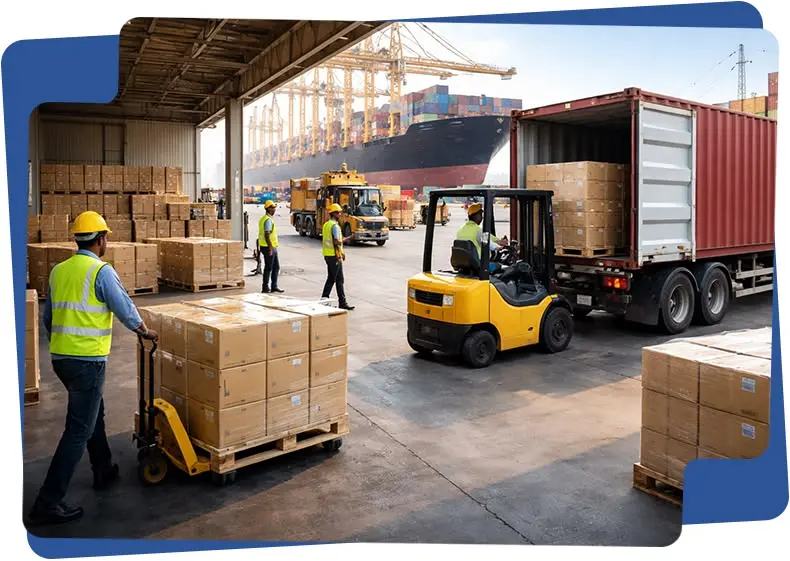
The international commercial landscape demands continuous adaptability. Technology transformation and artificial intelligence are revolutionizing global supply corridors, forcing enterprise groups to re-evaluate logistics lanes, transactional dependencies, and operational integrity to sustain reliable wholesale distribution lines.
Critical Industrial Movements
1. AI & Route Optimization
AI-powered route planning systems use machine learning parameters to cut down transport transit delays, optimizing delivery arcs throughout multi-regional pipelines.
2. Warehouse Robotics
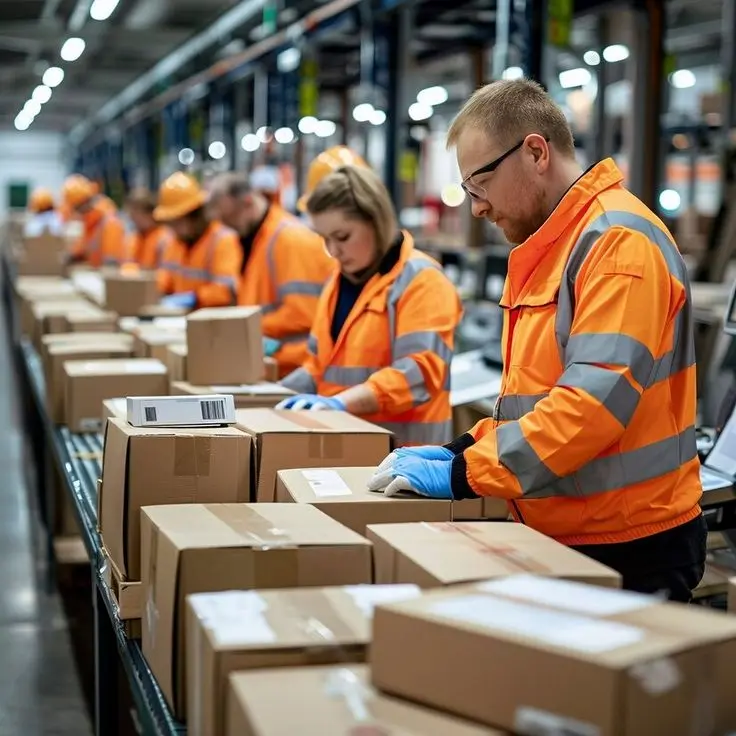
Deploying automated storage networks, autonomous sorting metrics, and tech systems significantly reduces physical processing limits within regional hubs.
3. Real-Time Telemetry
End-to-end cloud infrastructure allows companies to monitor asset tracking data, transparent transit visibility, and real-time distribution ledgers securely.
4. Green Fleet Transition
Adhering to strict carbon metrics, electric vehicles, and regional eco-friendly distribution standards to preserve corporate supply channel contracts.
Logistics Vulnerabilities Matrix
- - Volatile fuel pricing and freight index shifts
- - Physical warehouse capacity restrictions
- - Integration friction with older legacy software
- - Evolving global customs compliance frameworks
Operational Resilience Strategies
To maximize operational velocity in fluid trading environments, enterprises must design agility into their core networks. The long-term trajectory of global supply distribution relies exclusively on structured tech frameworks, calculated freight multi-routing, and transparent trading partnerships.
Outlook
Navigating current international market complexities introduces constant hurdles, but builds high operational capability. By analyzing immediate automation trends and securing structural digital infrastructure early, companies ensure sustainable B2B distribution scaling.