
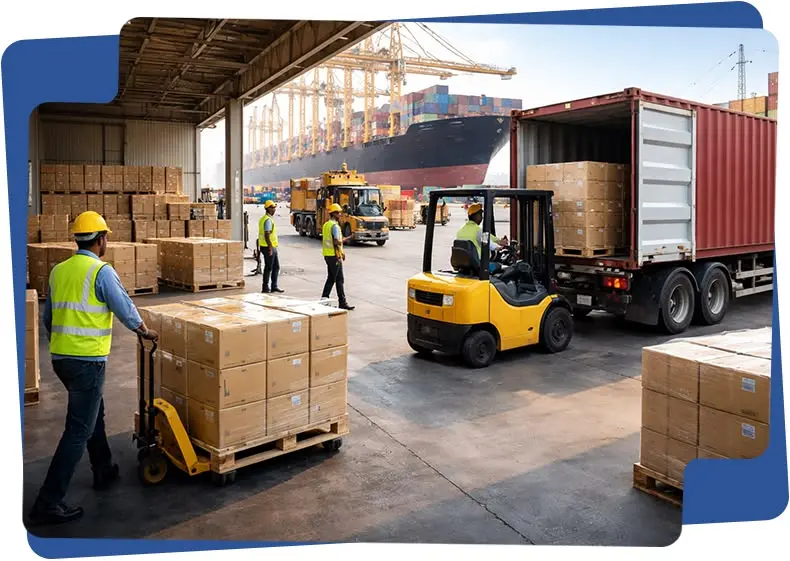
Export Strategies: Expanding Your Business Globally
Discover effective strategies to export your products, optimize international shipping frameworks, and successfully penetrate global wholesale markets.
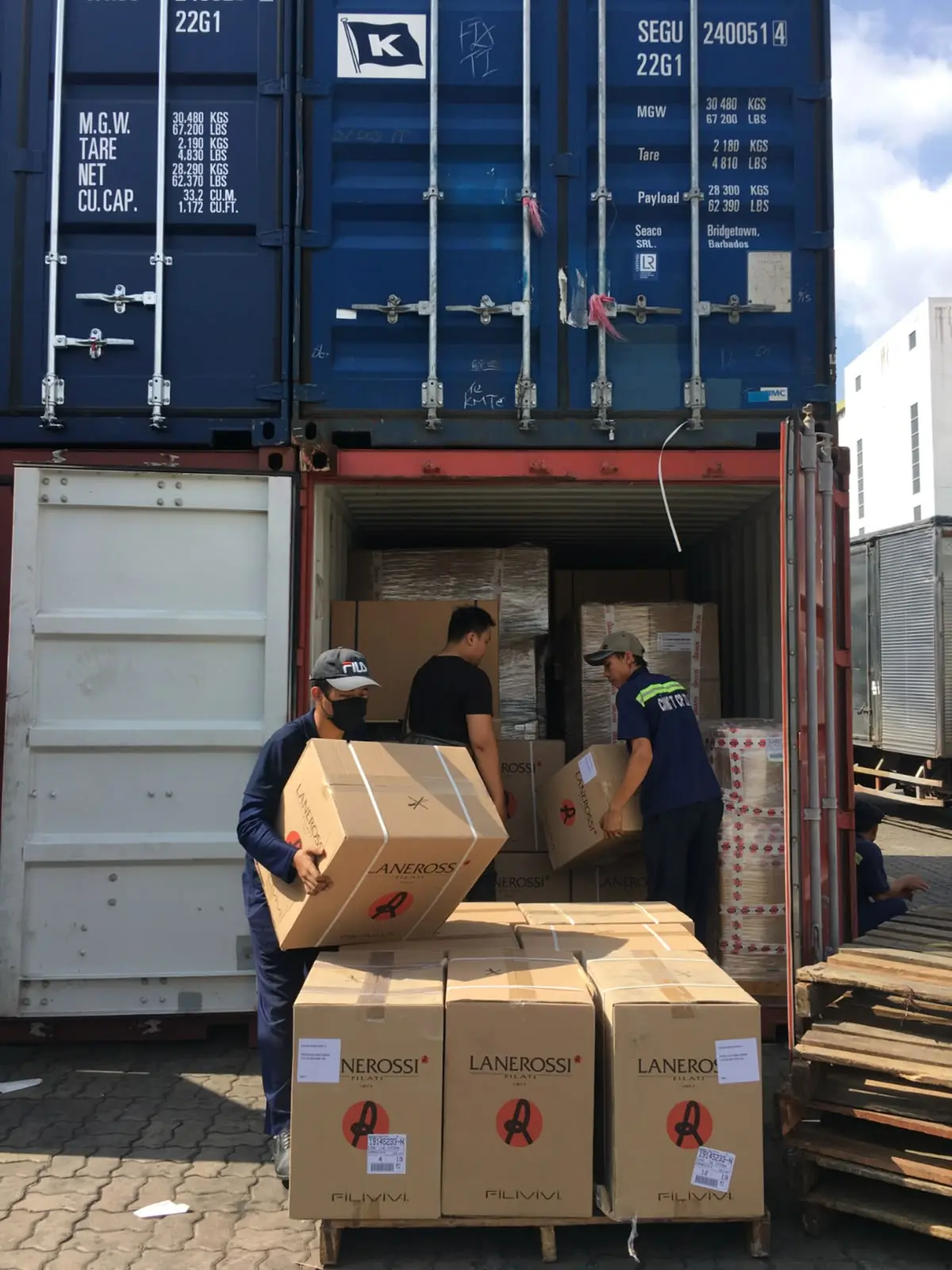
Exporting opens highly lucrative revenue streams and scales business capacity. However, sustainable global expansion requires structured logistics planning, precise regulatory compliance, and localized market strategy.
Introduction
The international trade landscape presents major scaling potential for modern commercial enterprises. Successfully expanding into foreign distribution channels involves more than increasing production; it requires clear execution across localized market targeting, strict customs tracking, and cost-effective freight lanes.
Critical Industrial Movements
1. Market Selection & Auditing
Evaluating prospective target regions based on active product demand, competitor saturation, regional tariff agreements, and baseline inbound freight costs. We recommend solidifying market positions in one or two zones before scaling wide.
2. Compliant Document Architecture
Securing air and ocean freight clearances requires absolute documentation accuracy. Crucial instruments include standardized Shipping Bills, detailed Commercial Invoices, Packing Lists, and authenticated Certificates of Origin.
3. Incoterms Alignment
Establishing precise financial boundaries and risk transfer milestones by properly embedding updated Incoterms into commercial wholesale sales agreements.
4. Forwarder Network Integration
Partnering with certified global freight forwarders to optimize customs clearance velocity, container packing strategy, and final regional distribution steps.
Global Export Vulnerability Framework
- - Fluctuating international customs and tariff structures
- - Volatile currency exchange valuations during long payment windows
- - Incomplete or unverified target-market buyer profiles
- - Unexpected destination-port processing blockages and storage fees
Operational Resilience Strategies
To maintain strong pricing positions in international arenas, businesses must establish agile operational frameworks. Mitigating cross-border friction relies heavily on automated logistics monitoring, utilizing domestic trade incentives, and securing export credit insurance to guarantee payment safety.
Outlook
Expanding your corporate print globally carries clear operational risks but yields incredible long-term business scale. By stabilizing your documentation accuracy, using vetted logistics networks, and maintaining focus on data transparency, your business establishes a highly resilient international supply network.